The boiler starts making a noise at six in the morning, the shutters no longer close properly, and you have a number scribbled on the back of a receipt. You send a message. Nothing comes back. Three days later you are telling a neighbour that this town is impossible to deal with, and she looks at you with mild amusement, because the electrician she has used for fifteen years would have answered her within ten minutes.
Most help in Lavagna does not run on systems. It runs on people: a plumber with two vans, an electrician who does his invoices at night, the woman at the counter who has known your street since before you arrived. That is why the request itself carries so much weight. A clear one gets answered; a vague one slides into the pile. What follows are the mistakes that most often keep newcomers waiting, and what to do instead.
Tradespeople here start early. A call at seven in the morning may catch someone already on a building site, phone in a pocket, unable to write anything down. A call at half past nine, after the first site visit, is far more likely to be answered properly. Respect the lunch break: between roughly half past twelve and half past two, many small workshops and offices close, and a message sent then will be read later anyway.
Late afternoon is the golden window. This is when a plumber sits in the van or at the kitchen table and goes through the day's messages. If you have been waiting since morning, one calm message around five often does more than five calls.
Then there is August. Around Ferragosto, a good share of family-run businesses close for a week or two, and the ones that stay open are stretched. Ask early for anything non-urgent you want done before the summer. And if something happens at nine at night, say clearly in the first line whether it is an emergency: “Water is coming out from under the sink, the valve is stuck” is a completely different message from “Could you have a look at the bathroom when you can?”
“The bathroom is broken” gives nobody anything to work with. “The toilet cistern doesn't refill; the water is shut off at the valve; third floor, no lift, intercom marked Rossi” can be scheduled on the spot. The difference is not politeness or length. It is whether the person reading can picture the job, judge how long it takes and decide what to put in the van.
A good request usually contains:
Voice notes are fine at thirty seconds. Four minutes of walking around the flat is not: most people cannot listen to it while holding a drill. Write the essentials, then add a short note if there is context worth knowing.
Recommendation is the currency here. If someone gave you a number, say so in your first sentence — “Signora Bianchi from Via Madonnetta suggested I call you” — and you move from anonymous caller to a name someone vouched for. The same works in reverse. When a neighbour lends you a ladder or the newsagent digs out a number for a glazier, tell them afterwards how it went. That small loop is how a newcomer becomes someone people answer.
One thing to avoid: asking three tradespeople to come and quote for the same small job without telling any of them. It is understandable with a large renovation, but for a leaking tap it costs people half a day each, and it is remembered.
A WhatsApp message is not an appointment, and “I'll pass by this week” is not a date. Ask for a day and a rough time, then confirm the afternoon before. Be reachable on the morning itself; if you go out, keep your phone on. If you need to cancel, cancel early — a no-show at eight in the morning can waste a whole slot that someone else could have used.
Keep to one channel. Sending the same request by phone, message, email and through a friend does not make it faster; it makes it confusing, and sometimes it makes it look as though you have already found someone else.
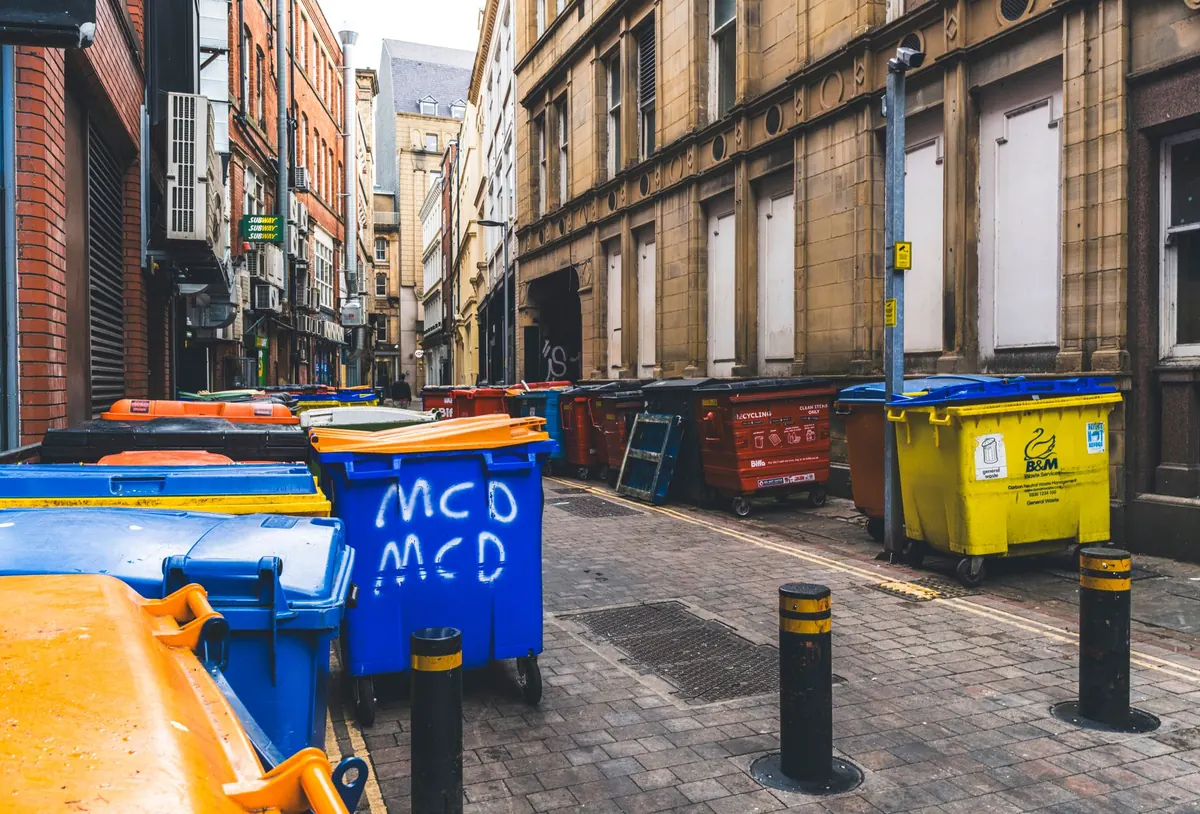
In the old centre, access is its own small project. Narrow alleys, limited parking, a courtyard where a van cannot turn: mention it before the visit, not when the van is already there. Say who will be home, whether there is a dog, and how to reach the meter, the roof hatch or the garage. If the work touches a shared wall, a communal pipe or the façade, the condominio administrator may need to be involved, and it is better to know that at the start.
Agree in writing what the price includes: materials, removal of the old part, and disposal. Disposal is the classic surprise on a quote. Ask whether an invoice is needed, and say so before the work begins, not after.
For anything involving a contract, a deposit, a tax deduction on building work or a dispute with a landlord, take proper advice from a commercialista or a lawyer rather than relying on what a neighbour remembers from her own case.
One polite follow-up after a couple of days is normal and expected. Five calls in one morning is not, and it rarely makes your job jump the queue. A useful habit is to give a gentle deadline: “If I don't hear back by Friday I'll assume you're too busy and look elsewhere.” Said kindly, it is perfectly acceptable and it saves everyone a week of guessing.
When a job is finished well, say thank you in a way that costs you something: a review, a recommendation to a neighbour, a message to the person who gave you the number. That is the deposit you are making on the next request.
Some waiting is entirely self-inflicted. Residency paperwork, rubbish collection, street lighting, parking permits and beach concessions belong to the comune and its various offices; health matters go through the local health service; problems with shared stairs, the roof or the courtyard belong to the condominio administrator. Check the comune website for opening hours and the right counter before you set off on a Saturday morning.
Before you send anything, spend five minutes writing six lines: who you are, where exactly you are, what is wrong, when you can be home, how to reach you, and how urgent it is. Add photos. Send it in the late afternoon. Follow up once, politely, after two days.
That is the whole method. It costs almost nothing, and it puts you in the small group of people whose messages get answered first — which, in a town where everyone knows everyone, is worth more than any list of contacts.
Photo: Anemone123 / Pixabay