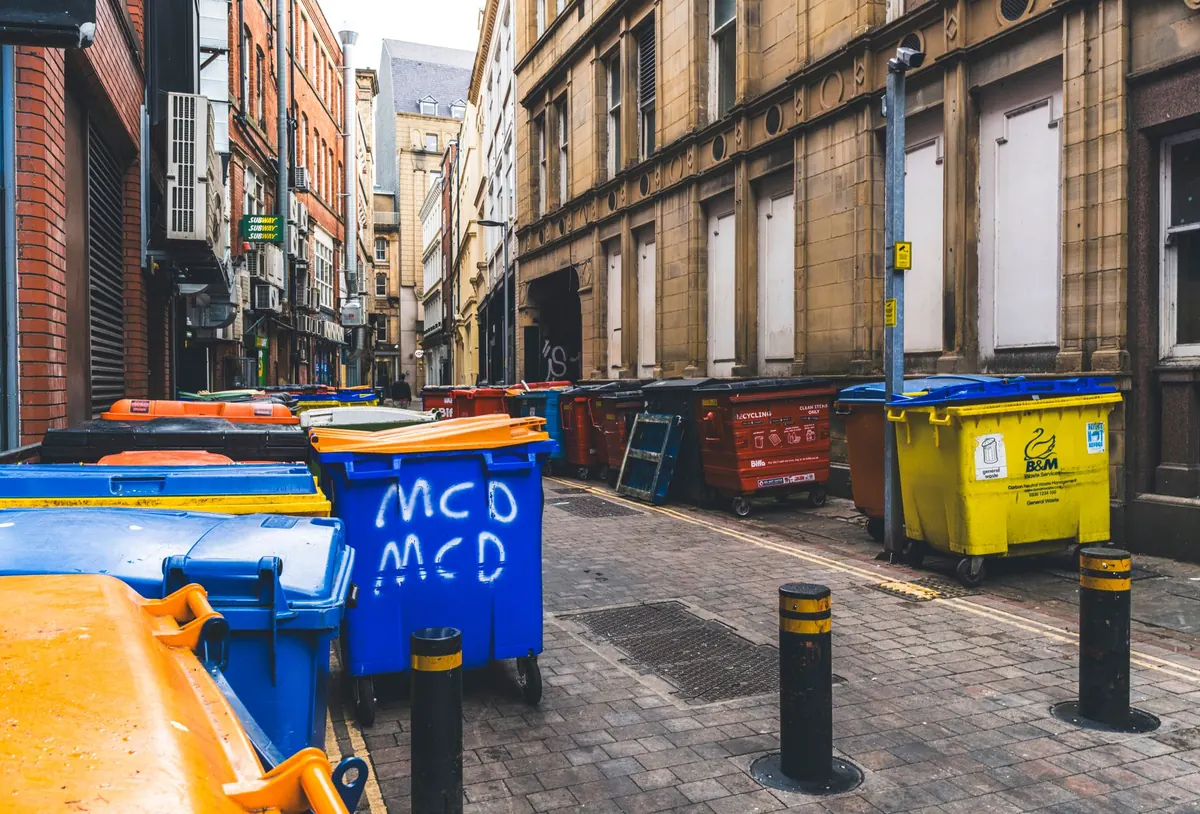
Sorting waste is one of those chores that feels simple until it is Sunday evening, the bin is full, and nobody in the house can agree on whether the tub that held the ricotta goes with the organic waste or the plastic. The rules themselves are not complicated. They are just specific — and they shift slightly from one collection zone to the next, which is why so many households give up and guess. What follows is a room-by-room checklist you can print, stick to the fridge, and work through in the last ten minutes before the bags go out. It will not replace the calendar your municipality delivers, but it will spare you a lot of squinting at symbols on the bottom of packaging.
The kitchen produces more waste than every other room combined, so it deserves the most attention. Set up two containers under the sink — one for organic scraps, one for the small dry items that would otherwise fall through the sorting plant, like bottle caps, bread bag clips and the little plastic ring from a milk carton. Empty that second container into the plastic bag only when it is full; loose small items end up as contamination.
Rinse jars and tubs before they go in. A jar with a centimetre of tomato sauce left in it is not a recycling problem in itself, but a whole bag of them is. You do not need to wash packaging to dishwashing standards — a quick swill with the last of the washing-up water is enough — but it does need to be empty and reasonably clean.
The pizza box is the classic trap. A clean lid can go with paper and cardboard once flattened. The greasy base cannot; if your area collects organic waste, it belongs there, and if it does not, it belongs in the residual bin. Tear the box in two rather than sending the whole thing to the wrong place.
Bathroom waste is mostly plastic bottles, and most of those are fine once emptied and rinsed — shampoo, shower gel, bleach, detergent. Leave caps on if your local guidance says so; some plants ask for them separate. What matters is that the bottle is empty. A half-full bottle of bleach in the plastic stream is a hazard for the people sorting it.
The genuine trouble is the small stuff. Cotton buds, wet wipes, plasters, dental floss and disposable razors belong in the residual bin, never in the toilet and never with organic waste. Nappies go in the residual bin, sealed in a bag. Toothpaste tubes and pump dispensers are usually mixed materials and usually not recyclable; check before assuming.
Two items need a detour. Unused or expired medicines should go to the collection point many pharmacies provide — ask at the counter, and keep them in their original packaging. Blister packs and loose tablets should not be flushed or dropped in the kitchen bin. Similarly, if anyone in the house uses injectable medication, ask your pharmacy about a sharps container; loose needles in a bin bag are dangerous for collection staff.
In the laundry, dryer sheets and lint go with the residual or organic waste depending on your zone, and empty detergent bottles go with plastic. Nothing dramatic. The rule is simply: empty it, rinse it, cap it, and check the bottle your council's leaflet mentions.
Paper and cardboard dominate here, and they are easy to get right. Flatten boxes, remove the tape and any plastic inserts, and keep them dry. Envelopes with plastic windows are accepted by most paper mills; if you are unsure, tear the window out. Shredded paper is trickier — loose shreds blow out of bins and clog sorting equipment, so bag it in a paper bag or add it to the compost if your area accepts it.
Then there is the drawer everyone has: dead batteries, three chargers for phones you no longer own, a tangle of cables, a bulb that stopped working. None of that belongs in the general waste.
A seasonal clear-out produces a different kind of waste: textiles, hangers, and the occasional piece of furniture. Clothes and shoes in wearable condition go to charity collection points in a closed bag, dry and clean. Textiles that are genuinely worn out should not be stuffed into a charity bin — that pushes the cost onto the volunteers who sort them. Put them in the textile collection if your area has one, otherwise in the residual bin.
Hangers are a common error. Plastic and wooden hangers go in the residual bin; wire hangers usually go back to the dry cleaner. Pillows, duvets and mattresses are bulky items: book the collection with your municipality and put them out only on the agreed day, not the night before on the pavement where they will sit through the rain.
Garden waste needs to be loose or in paper sacks, never in plastic bags, and free of soil and stones. Grass cuttings, prunings and leaves are usually fine in the garden waste collection; treated timber and painted wood are not.
The garage is where hazardous items accumulate quietly. Leftover paint, solvents, pesticides, adhesives and full aerosols should go to the household waste centre on a day you can carry them safely — never down a drain, never into a bin bag. Empty aerosols are usually accepted with metals if your zone collects them, but read the label first. Used cooking oil has its own collection points in many areas; poured down the sink it will eventually cost someone a plumbing bill.
For furniture, appliances and anything too big for the bin, book a bulky collection. Refrigerators and freezers need separate handling because of the gases inside, so mention them when you book.
Print the collection calendar and put it somewhere everyone actually looks — the inside of a kitchen cupboard door works better than a noticeboard nobody reads. Mark the evening before each collection with a phone reminder, and make one person responsible for putting the bins out and another for bringing them in. Keep a lidded container in the garage or under the sink for batteries, bulbs and capsules so they are not rattling around in a drawer when the collection point is open. Keep a small "on hold" box for items you are unsure about, and clear it once a month against the leaflet.
And when you are genuinely stuck, choose the residual bin. One item in the wrong place is a small loss; a whole bag of good recyclable material with one bad item in it is a bigger one. The aim is a clean stream, not a perfect score.
Photo: pierre matile / Pexels